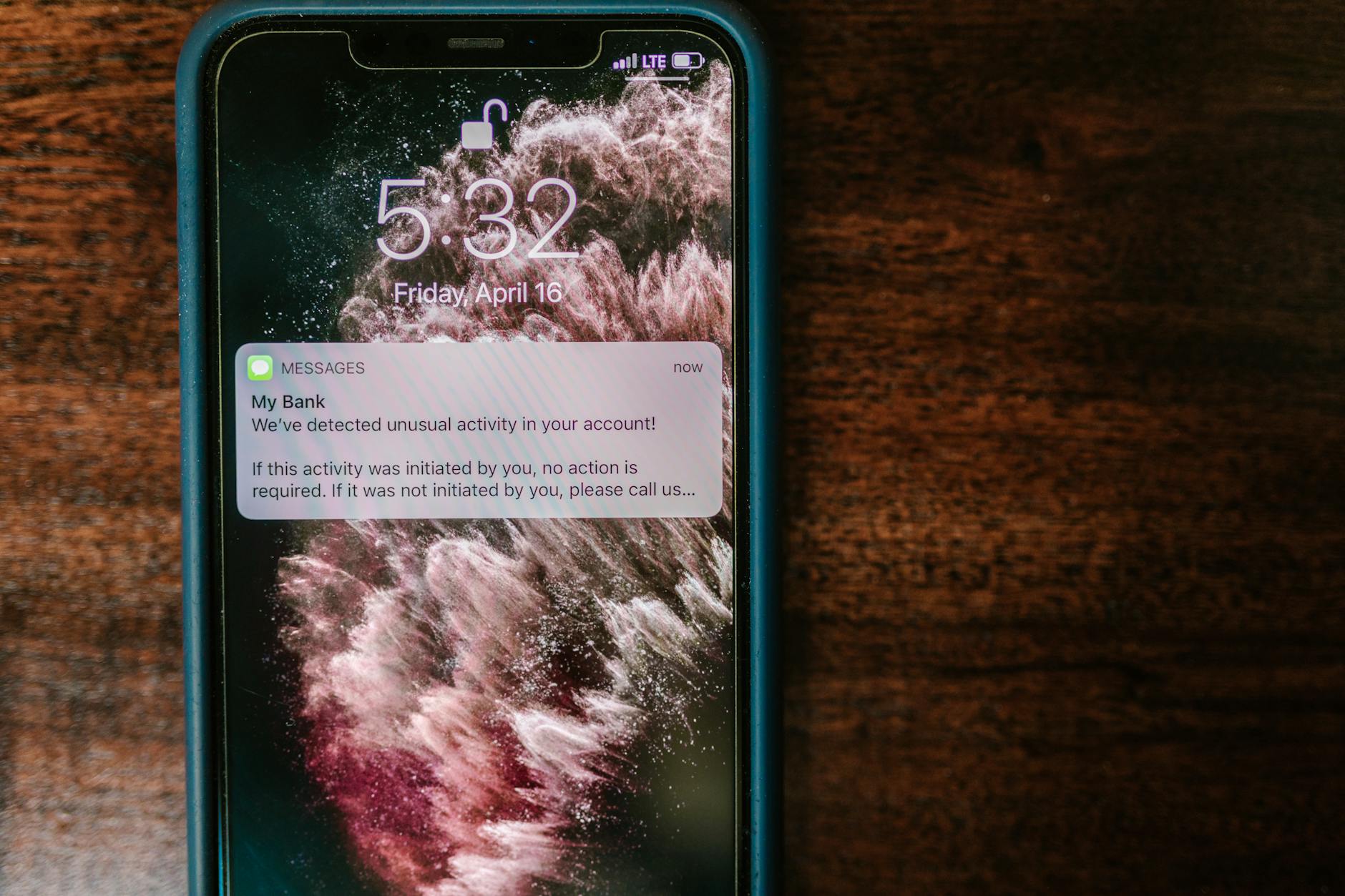
They stopped texting you back because their internal priorities have shifted or their digital bandwidth has reached a breaking point, and it almost never reflects your actual value as a person. This silence is often a subconscious defensive mechanism used to cope with personal overwhelm rather than a calculated rejection of your character. By understanding the hidden psychology behind the digital fade, you can reclaim your emotional power and stop the exhausting cycle of overthinking.
The Shock of the Silent Screen
You check your phone for the tenth time in an hour, hoping to see that familiar notification glow. The silence is deafening, and your mind immediately begins to construct a narrative of failure and rejection. It is an electrifying realization when you discover that this silence is rarely about you at all.
We live in an era of hyper-connectivity where an unanswered message feels like a social emergency. This digital void triggers a primal fear of abandonment that can cloud your logical judgment. You start questioning every word you sent and every emoji you chose, looking for a mistake that likely doesn’t exist.
The Psychology of the Digital Fade
Human psychology is complex, and the reasons for silence are often rooted in the sender’s own internal struggles. Many people suffer from decision fatigue, where the simple act of drafting a reply feels like an insurmountable task. When life gets chaotic, the low-stakes nature of a text message makes it the first thing to be sacrificed.
Avoidant Attachment Styles
Some individuals possess an avoidant attachment style, which causes them to retreat when they feel a connection becoming too intense. For them, silence is a safety net that protects them from the perceived threat of vulnerability. They aren’t trying to hurt you; they are trying to protect themselves from an emotional depth they aren’t ready to handle.
The Paradox of Choice
In the modern dating and social landscape, the abundance of options can lead to a state of paralysis. This phenomenon, known as the paradox of choice, often results in people stalling because they are afraid of making the wrong move. They stop texting not because they dislike you, but because they are overwhelmed by the pressure of constant engagement.
Continue reading: You Won’t Believe What Happens When You Finally Trust Your Gut
- Emotional Bandwidth: They may be dealing with personal crises that they aren’t ready to share.
- Digital Burnout: The constant influx of notifications can lead to a total shutdown of communication.
- Fear of Commitment: A sudden realization of long-term expectations can trigger a silent retreat.
The Science of Communication Gaps
Neuroscience tells us that texting provides a fragmented version of human interaction that lacks vital social cues. Without tone of voice or facial expressions, our brains often fill in the gaps with negative assumptions. This “negativity bias” is a survival instinct, but it wreaks havoc on our modern relationships and self-esteem.
When someone stops responding, your brain experiences a drop in dopamine, the chemical responsible for reward and pleasure. This creates a physical sensation of withdrawal, similar to quitting a habit cold turkey. Understanding that your distress is biological can help you detach from the emotional weight of the situation.
The Zeigarnik Effect
The Zeigarnik effect is a psychological phenomenon where our brains remember uncompleted tasks better than completed ones. An unanswered text is an “open loop” that your brain desperately wants to close, leading to obsessive thoughts. Recognizing this effect allows you to consciously decide to close the loop yourself, regardless of their reply.
Decoding the Silence: A Comparison
Not all silence is created equal, and distinguishing between types of communication gaps is essential for your peace of mind. Some people are truly busy, while others are intentionally creating distance to manage their own emotions. Use the following table to identify the likely cause of the silence you are experiencing.
| Type of Silence | Internal Trigger | Likely Outcome |
| The Busy Burnout | Work or life stress | Eventual reply with an apology |
| The Avoidant Retreat | Fear of intimacy | Sporadic or inconsistent contact |
| The Slow Fade | Loss of romantic spark | Gradual decrease in message length |
| The Accidental Ghost | Forgetfulness or overwhelm | Warm response once reminded |
By categorizing the behavior, you remove the personal sting and see it as a pattern of communication rather than a judgment of your worth. This objective view is your greatest tool in maintaining digital confidence. Remember that you are observing their habits, not your own flaws.
Hypothetical Case Studies: Real-World Scenarios
Consider the case of “Alex,” a high-achieving professional who suddenly stopped texting a promising new connection. Alex wasn’t losing interest; instead, a major project at work had drained his mental energy to the point of exhaustion. He viewed the text as a task he couldn’t perform perfectly, so he delayed it until he felt “ready,” which never happened.
Then there is “Maya,” who experienced a sudden surge of anxiety after a particularly vulnerable third date. Her silence was a protective shell, a way to regain her sense of independence after feeling she had revealed too much. For Maya, the silence was a way to recalibrate her internal boundaries, not a rejection of her date’s personality.
The Power of the Pivot
In both cases, the person on the receiving end of the silence felt rejected and confused. However, the reality had everything to do with the sender’s internal state and nothing to do with the recipient’s value. Learning to pivot your focus back to your own life is the most effective way to handle these scenarios.
Don’t miss this: The “Magic” First Date Trick You’re Not Using
- Focus on Self-Expansion: Use the time you would have spent texting to learn a new skill or hobby.
- Broaden Your Social Circle: Don’t put all your emotional eggs in one digital basket.
- Practice Radical Acceptance: Accept that you cannot control others’ response times, only your own reaction.
The Digital Mirror Effect
Often, the way we react to silence is a mirror reflecting our own insecurities and past traumas. If you were raised in an environment where love was conditional or inconsistent, a missed text can feel like a major threat. Recognizing these triggers is a breakthrough moment in your personal growth journey.
When you stop viewing silence as a personal attack, you unlock a new level of social freedom. You begin to realize that you are an incredible person regardless of whether someone taps a screen to tell you so. This shift in perspective is the ultimate “power move” in the world of modern communication.
Building Digital Resilience
Resilience is the ability to bounce back from the uncertainty of digital interactions without losing your sense of self. It involves setting boundaries for yourself, such as not checking your phone first thing in the morning. By creating a life that is fulfilling outside of your phone, you become less dependent on the validation of a reply.
The more you practice detachment, the more attractive and grounded you become to others. People are naturally drawn to those who have a strong sense of self and don’t require constant reassurance. Your silence can be just as powerful and intentional as theirs.
Reclaiming Your Narrative
You are the author of your own story, and a missing text is just a tiny footnote in a much larger chapter. Stop giving away your power to a small glowing rectangle in your pocket. Your energy is a precious resource that should be invested in people who are consistently present and appreciative.
If someone consistently fails to meet your communication needs, it may be a sign that your values are simply misaligned. This isn’t a failure on your part; it is valuable information that helps you filter out the wrong connections. Celebrate the fact that the universe is making room for people who will match your energy.
The Art of Moving On
Moving on isn’t about anger or resentment; it is about choosing yourself over a connection that is no longer serving you. It is an act of self-love to stop waiting for someone who isn’t making an effort to be there. When you stop looking back, you finally see the incredible opportunities waiting right in front of you.
You might be interested in: Why You Should Never Ignore Your Gut Feeling In A New Relationship
- Audit Your Energy: Identify who makes you feel energized and who makes you feel drained.
- Set Communication Standards: Know what you require for a healthy connection and don’t settle for less.
- Celebrate Your Independence: Remind yourself of all the things you love about your life when you are alone.
Embrace Your Unstoppable Future
The moment you stop seeking external validation through a text message is the moment you become truly unstoppable. You are a vibrant, complex, and valuable individual whose worth is not dictated by the speed of a digital response. This realization is the key to unlocking a life of confidence, peace, and genuine connection.
Go out and live a life so exciting that you occasionally forget to check your own phone. When you are busy building your empire and nurturing your soul, the timing of a text message becomes irrelevant. You are the prize, and anyone who gets to communicate with you is lucky to have your attention.
Detailed information: If They Say It’s Over, Is It *Really* Over? You NEED to Know This.
Believe in your value, trust the process, and never let a silent screen dim your inner light. Your future is bright, and the right people will always find a way to stay in your life. Step into your power today and leave the worry behind.
Frequently Asked Questions
How long should I wait before assuming I’ve been ghosted?
Is it okay to send a ‘check-in’ text after a few days of silence?
Why do they view my social media stories but not reply to my texts?
Can a relationship recover after a period of no texting?